home gray
We get results.
Expertise + Strategy = Results
With more than three decades of experience in Washington, we have consistently delivered outcomes that exceed our clients’ expectations.
Guide Consulting Services is a boutique government relations firm uniquely serving nonprofits and socially responsible companies to advance and defend social issues including initiatives related to health, federal grants, and labor.
We provide full service government relations, legislative drafting, and public affairs expertise to create a surround-sound effect to your legislative and regulatory initiatives.
Whether you require a primer in the legislative and regulatory processes or have focused public policy objectives, GCS offers bipartisan insights and attentive services to complement your specific needs.
What sets us apart from other firms, is our team of experts who provides in-house legislative drafting to expedite and advance your legislative goals.

GCS offers the expertise to both identify and implement public affairs activities to advance legislative initiatives, including small to large-scale Capitol Hill Fly-in Days, grassroots development, Congressional briefings, and media outreach.
Guide Consulting Services creates and manages compelling social media campaigns that engage legislators, media, and influencers. We help our clients develop and execute social media strategies that showcase their visions, elevate policy concerns, and drive effective legislative and regulatory solutions.
Our Team
Consider us your guides in navigating Washington policy.

Results
proven success for decades.
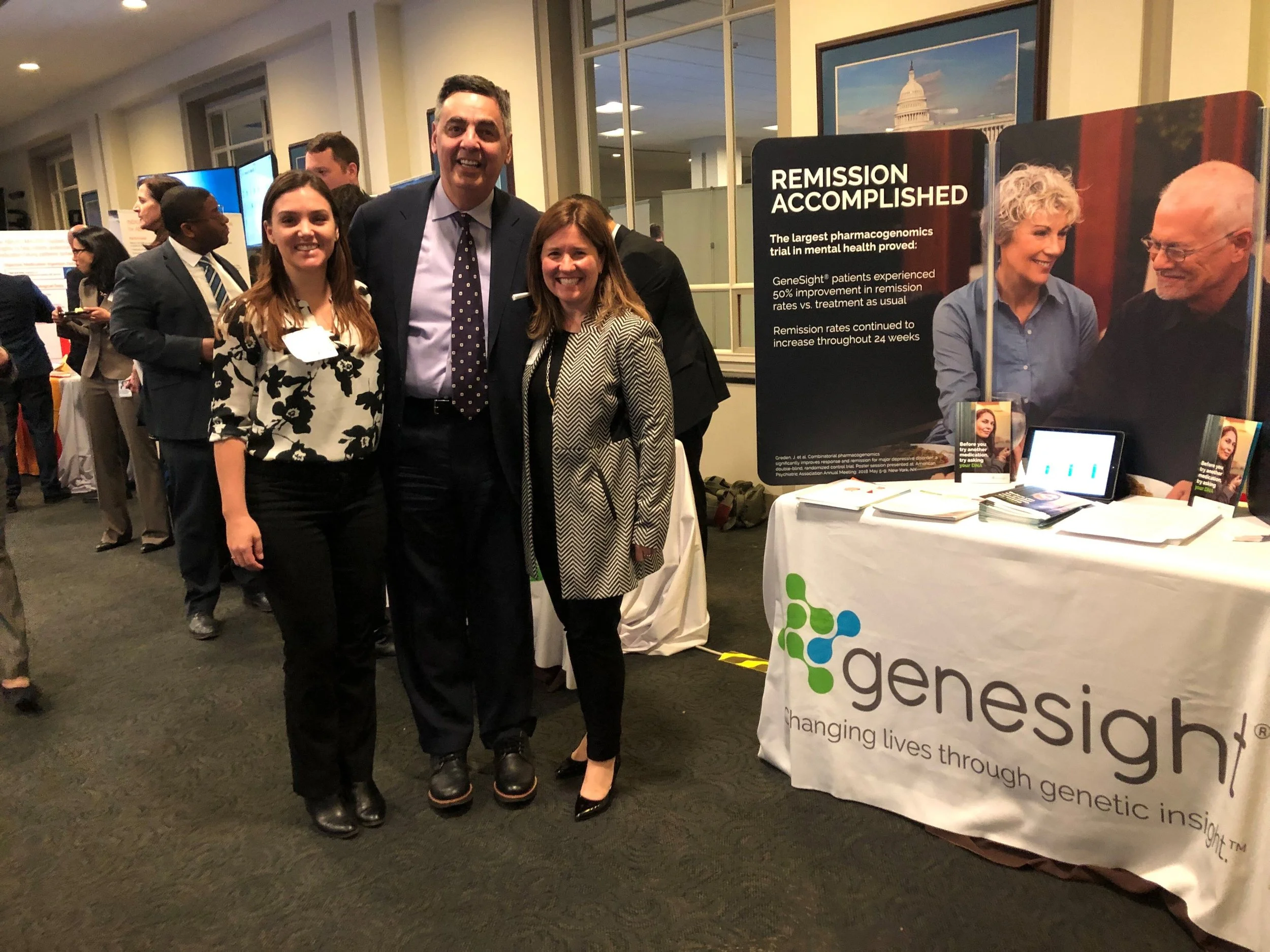
On the evening of Thursday, March 7, 2019, the House of Representatives’ Health Care Innovation Caucus held a Health Technology Showcase in the Rayburn House Office Building. The Health Care Innovation Caucus was founded in March of 2018 by Congressman Mike Kelly (R-PA), Congressman Ron Kind (D-WI), Congressman Markwayne Mullin (R-OK), and Congressman Ami Bera, M.D. (D-CA).
When GCS learned of this opportunity, we sprang into action on behalf of our clients. This event provided a fantastic opportunity for some of the leading health technology and innovation-related organizations to showcase their unique contributions to health care innovation for Members of Congress and their staff. Over 110 different companies and organizations applied to be a part of this event, of the 37 chosen, GCS was able to secure two spots for our clients.

On behalf of our client, GCS intervened to directly address this stigma on Capitol Hill by bringing a public art installation to the Rayburn House Office Building foyer. GCS worked tirelessly with congressional staff and House security offices in order to facilitate the build-up of this one-of-a-kind interactive experience. GCS secured congressional sponsors, received approval from leadership offices, and organized a scientific legislative staff briefing to amplify the impact of this unique exhibit. GCS also generated a great deal of enthusiasm and press around the events week.
We created an experience that told our client’s story and inspired understanding and empathy. Our participants entered a darkened “room” filled with fog, stepped into “cones of light” and then listened to a diagnosed individual or family member. The majority of those who experienced our exhibit reported that they gained a better understanding of the condition and empathized with the need to address the issue. GCS is proud to have helped Members of Congress and congressional staff gain a motivated understanding of schizophrenia.

The harsh reality in America today is that a small fraction of people who actually need addiction treatment services actually receive any. For much of the past five years, GCS has helped a trade association representing nearly 3,000 Community Mental Health Centers pursue the Excellence in Mental Health and Treatment Expansion Act (HR 3931/S. 1905). The idea behind this new bipartisan program is to expand access to intensive community-based mental health care and substance use treatment services in a way that is both financially sustainable and highly accountable.
Recent local media reports show that the demonstration is reducing opioid overdose deaths in hard hit areas of Upstate New York. At the urging of GCS, the FY 2019 Senate Labor-Health and Human Services Appropriations Bill added $150 million to continue the expansion of this important initiative.

Pursuant to a goal of fraud prevention, the Center for Medicare and Medicaid Services (CMS) sought to impose an Electronic Visit Verification (EVV) requirement on Medicaid personal care services quickly with limited guidance. GCS advised the trade association representing community-based rehabilitation providers for people with disabilities – on strategy and legislative tactics for how to stop the agency guidance.
Helping this client to marshal its national grass roots network, bipartisan members of the House and Senate introduced legislation (HR 6042/S 2897) within days of the CMS action suspending implementation of the guidance. An EVV one-year delay successfully passed both chambers unanimously within six months of the guidance issuance.

The SAMHSA’s Promoting Integration of Primary and Behavioral Health Care (PIPBHC) grants promote full integration and collaboration in clinical practice between primary and behavioral healthcare. They also aim to help promote services related to screening, diagnosis, prevention and treatment of mental and substance use disorders, as well as related physical conditions and chronic diseases.
While the funding for the PIPBHC grant program was set to be zeroed out in FY 2018, GCS successfully secured continued funding for the PIPBHC grant program at $52 million dollars under the Continuing Appropriations Act, 2018.

When the 115th Congress took up efforts to repeal the Affordable Care Act, GCS worked to protect consumer guard rails in alternate plans, including essential health benefits (EHBs) for mental health, substance abuse, and disabilities through direct lobbying, social media engagement, and grassroots and grasstops efforts. These efforts were ultimately unsuccessful, and EHB protections remained intact.

The White House Opioid Commission released its interim report which included a provision on enforcement of the Mental Health Parity and Addiction Equity Act (MHPAEA), including a standardized parity compliance tool to ensure health plans cannot impose less favorable benefits for mental health and substance use diagnoses than physical health diagnoses. GCS secured the inclusion of recommendations for 42 CFR Part 2, which originally intended to afford an extra layer of privacy protections for individuals with history of substance abuse but resulted in complicating comprehensive treatment of the individual.
ZW

On behalf of our electronic health record vendor client, our firm has been seeking to generate Health Information Technology (HIT) financial incentives for psychiatric hospitals, social workers and residential treatment facilities. GCS employed an inventive legislative approach authorizing a health IT demonstration through the Center for Medicare and Medicaid Innovation (CMMI). This move eliminated the budget score for the proposal which, in turn, helped to build bipartisan support for the legislation – bridging the divide between the parties on this fraught topic.
In fact, during congressional opioid deliberations, both chambers passed their respective versions of the Improving Access to Behavioral Health Information Technology Act (S. 1732/HR 3331) unanimously. It was included in the final SUPPORT Act for Patients and Communities and has been signed into law by President Trump.

Since 2014, GCS has been advising an electronic health record vendor on legislative and regulatory approaches to amend a 45-year-old addiction privacy statute that is making it virtually impossible to coordinate care for people battling drug addiction. To achieve change for our client we needed a creative strategy and an innovative approach.
First, we partnered with hospital systems and managed care companies that are struggling with the Nixon-era addiction privacy law. Next, GCS played a key role in founding a coalition spanning patient advocacy organizations, prominent substance abuse providers accreditation bodies and pharmaceutical companies to support House and Senate legislation. Finally, GCS helped to locate bipartisan co-sponsors in both chambers while advising on the crafting of improved patient protections.
The House passed the Mullin/Blumenauer Overdose Prevention and Patient Safety Act (HR 6082) in late June with more than 350 votes, including the leadership of both parties and a majority of the Congressional Black Caucus. GCS is now working with the Senate in lame duck to get this legislation through.
GCS In the News
We are moving…but we are all still here! The GCS team will remain the same as we build new relationships and tactical strategies to continue serving our clients.
Via GCS

GCS is offering some clarity to the federal budget picture, particularly around the upcoming government funding deadline, the budget reconciliation process, and the latter’s impact on Medicaid.
Via GCS
In opting for a short-term Continuing Resolution, the 119th Congress is now facing a potential health care traffic jam akin to the worst Beltway backups. Let’s take an offramp to outline Congress’s route over the next few months.
Via GCS
For the third year running, our Senior VP and COO Sarah Corcoran has received a Top Lobbyist recognition from The Hill.
Via The Hill
In Washington, speculation is rampant about what the lame duck session will bring for health care policy after the presidential election.
Via GCS
As Congress finalizes FY25 appropriations, starkly different mental health funding proposals have emerged. GCS’s Sarah Corcoran breaks down priorities, provisions, and politics in her latest Beltway Update.
Via MindSite News